
Striker Training Drills for Youth Football: Finishing and Movement
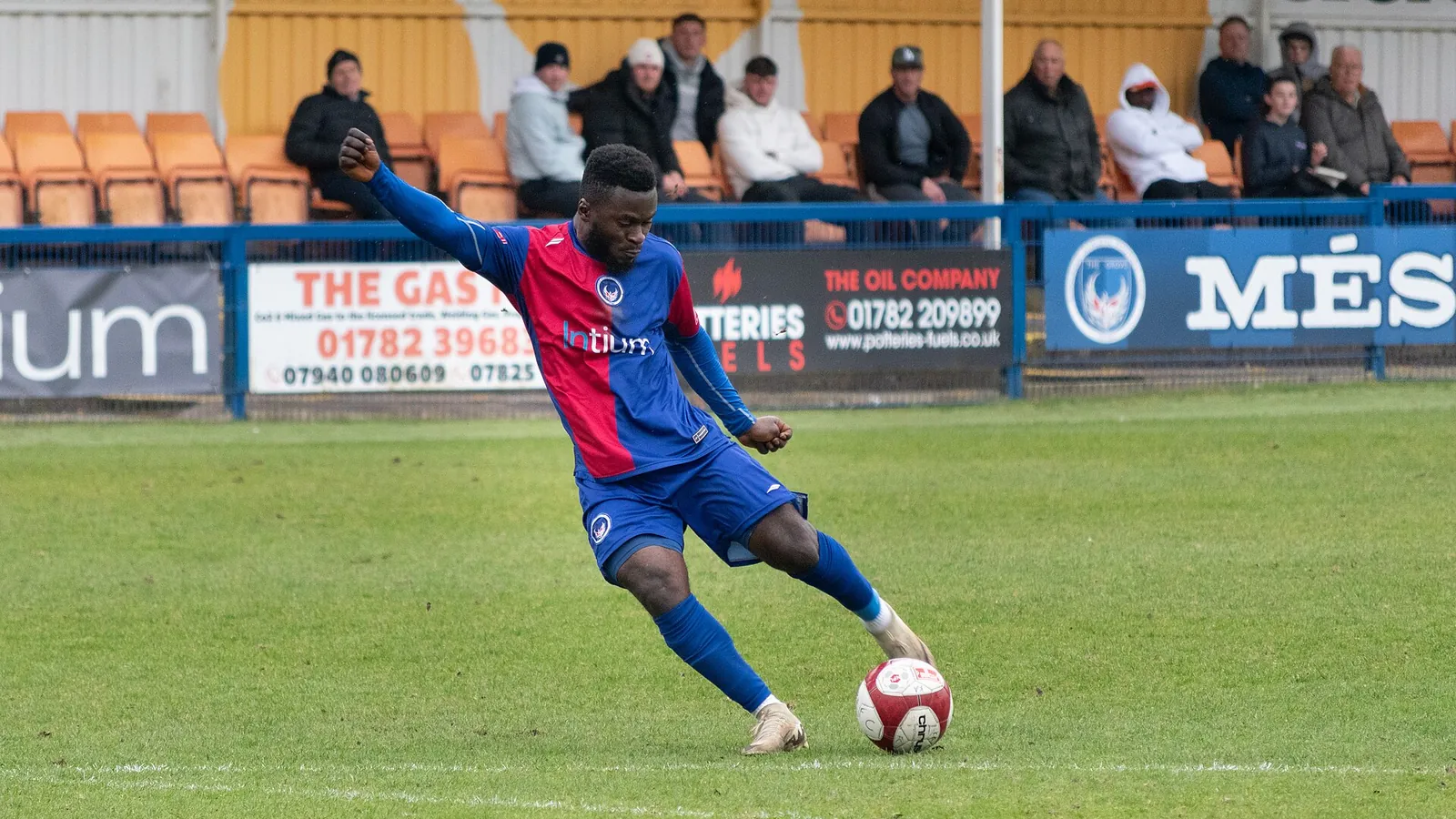
Good striker training drills combine finishing with movement, because most goals in youth football come from a run that created half a metre of space, not from a spectacular strike. A young striker needs to practise shooting with both feet, timing runs in behind, holding the ball up with their back to goal and pressing defenders when the team loses the ball. Repetition matters, but every repetition should look like a real match situation.
Do you organise tournaments? Create yours for free on DorsalCUP.
In this article
What makes a good striker in youth football
In 5v5 (U8–U9) and 7v7 (U10–U11), every outfield player should get chances to score, and the coach should avoid parking the quickest child up front to wait for long balls. By 9v9 (U12–U13), with offside and bigger pitches, the striker role becomes more defined: timing runs, linking play and finishing under pressure.
- Finishing: hitting the target, using both feet, choosing placement over power.
- Movement: runs in behind, across the defender and away from them, at the right moment.
- Back to goal: receiving under pressure, protecting the ball and setting up teammates.
- Pressing: being the first defender, curving runs to cut off passes.
- Attitude: missing and going again. Strikers who stop shooting after one miss score fewer goals.
Finishing drills for kids and teenagers
Finishing practices should be quick, with short queues and plenty of balls. Players in a line of eight waiting for one shot each learn very little. Use two or three goals at once, or several servers.
Drill 1: receive, turn and shoot
Organisation: the penalty area and the space up to 25 m out, with a goalkeeper. Two servers about 25 m from goal, left and right of centre. Strikers start one at a time on the edge of the area with their back to goal; the next striker waits beside the servers. Rounds of 6 shots each, 10–12 minutes.
Rules: the striker checks towards one server, receives a firm pass, turns with one touch and shoots with the second. Alternate servers so the player shoots with both feet. Progression: add a defender who starts goal-side of the striker and becomes active on the pass. Coaching points: check the goalkeeper's position before receiving, take the first touch out of the feet towards goal, strike across the goalkeeper and follow in for rebounds.
Drill 2: finishing game 3v2 to two goals
Organisation: a 30 x 25 m area with a full-size or 9v9 goal at one end and two mini-goals at the other. Three attackers against two defenders plus a goalkeeper. 3 rounds of 4 minutes.
Rules: attackers have 10 seconds to score from the moment the coach plays the ball in. If defenders win the ball, they can score in the mini-goals. Coaching points: shoot early when the goalkeeper is not set, attack the space in front of the near post, and always have one player ready for the rebound.
Movement off the ball: runs in behind and across
Strikers create space before they receive. The simplest idea is the double movement: move one way to take the defender with you, then go the other way. Runs between the centre-back and the full-back, or across the front of a defender to the near post, cause the most problems in youth football.
- Run in behind: start on the defender's shoulder and go when the passer looks up, not before.
- Check away, then show: take two steps towards goal, then come short to receive with space to turn.
- Across the defender: to the near post for a cross or a cut-back.
- Stay onside: from 9v9 onwards, curve the run along the defensive line instead of running straight.
Playing with your back to goal
A striker who can hold the ball gives the team time to move up the pitch. The key is the body: feel the defender before the ball arrives, keep a wide base, receive on the foot furthest from the defender and use the arm for balance without pushing.
Drill 3: hold-up and lay-off
Organisation: a 20 x 20 m area in front of the penalty area. A server 20 m out, a striker with a defender behind, two supporting midfielders arriving from deep, and a goalkeeper. 10 minutes, rotate every four attempts.
Rules: the server plays into the striker's feet. The striker holds the ball, then lays it off to one of the arriving midfielders, who shoots first time. If the defender lets the striker turn, the striker can turn and shoot. Coaching points: check the shoulder before the pass, receive on the far foot, lay off into the path of the runner and spin into the box for the rebound.
Pressing from the front
The striker is the team's first defender. When the opposition goalkeeper or centre-back has the ball, the striker curves the run to press, blocking the pass to one side and pushing play towards the touchline. Teammates behind can then press the next pass.
In mini soccer, the retreat line means strikers must drop back at goal kicks, so pressing starts once the ball has been played. In 9v9 and 11v11, agree simple triggers with the team: a back-pass, a poor touch or a pass to the full-back near the touchline.
Striker training drills by age: common mistakes
- Leaning back when shooting: ask for the head over the ball and the laces through the middle of the ball.
- Only shooting with the strong foot: set rounds where only the weaker foot counts.
- Running too early: practise with the passer giving a visual cue, such as lifting the head.
- Standing still after the shot: follow in every time; rebounds are a large share of youth goals.
- Waiting for the ball: set a rule that the striker must make a movement before every pass into them.
| Age group | Focus |
|---|---|
| U8–U9 (5v5) | Lots of shots, both feet, dribbling at goal; everyone gets to shoot |
| U10–U11 (7v7) | Placement, first touch towards goal, simple runs; no heading practice |
| U12–U13 (9v9) | Runs in behind and offside, hold-up play, pressing triggers |
| U14+ (11v11) | Partnerships, crosses and cut-backs, heading within FA guidance |
Heading is part of the striker's game from 9v9 upwards, but The FA's heading guidance limits heading practice in training for youth players. Follow the current guidance and spend most finishing time on the ground.
Frequently asked questions
How can a young striker improve finishing?
Practise lots of short, realistic finishing reps with both feet, focus on hitting the target and placement, and always follow in for rebounds. Small-sided games with many shots are as useful as isolated drills.
What runs should a striker make?
Runs in behind between the centre-back and full-back, runs across the defender to the near post, and checking away then coming short to receive. The timing, when the passer looks up, matters most.
How do you teach hold-up play?
Teach the striker to feel the defender before the ball arrives, keep a wide base, receive on the far foot and lay the ball off to a supporting player. Practise against a defender with a midfielder arriving to shoot.
Should strikers practise heading in youth football?
Only within The FA's heading guidance, which limits heading practice in training for youth age groups. Deliberate heading is not part of matches up to U11.
Sources
Verified in October 2026. Rules and age groups vary by association and by season; check your local regulations.