
Football Boots and Kit Guide for Youth Players: What You Really Need
Parents are often handed a long kit list and a wall of boots in the shop. A child needs less than that. This football boots and kit guide covers which boots suit grass, 3G and indoor surfaces, why shin pads are compulsory, what size football each age group uses in England from 2026/27, and when goalkeeper gloves are worth buying.
Do you organise tournaments? Create yours for free on DorsalCUP.
In this article
Football boots: match the sole to the surface
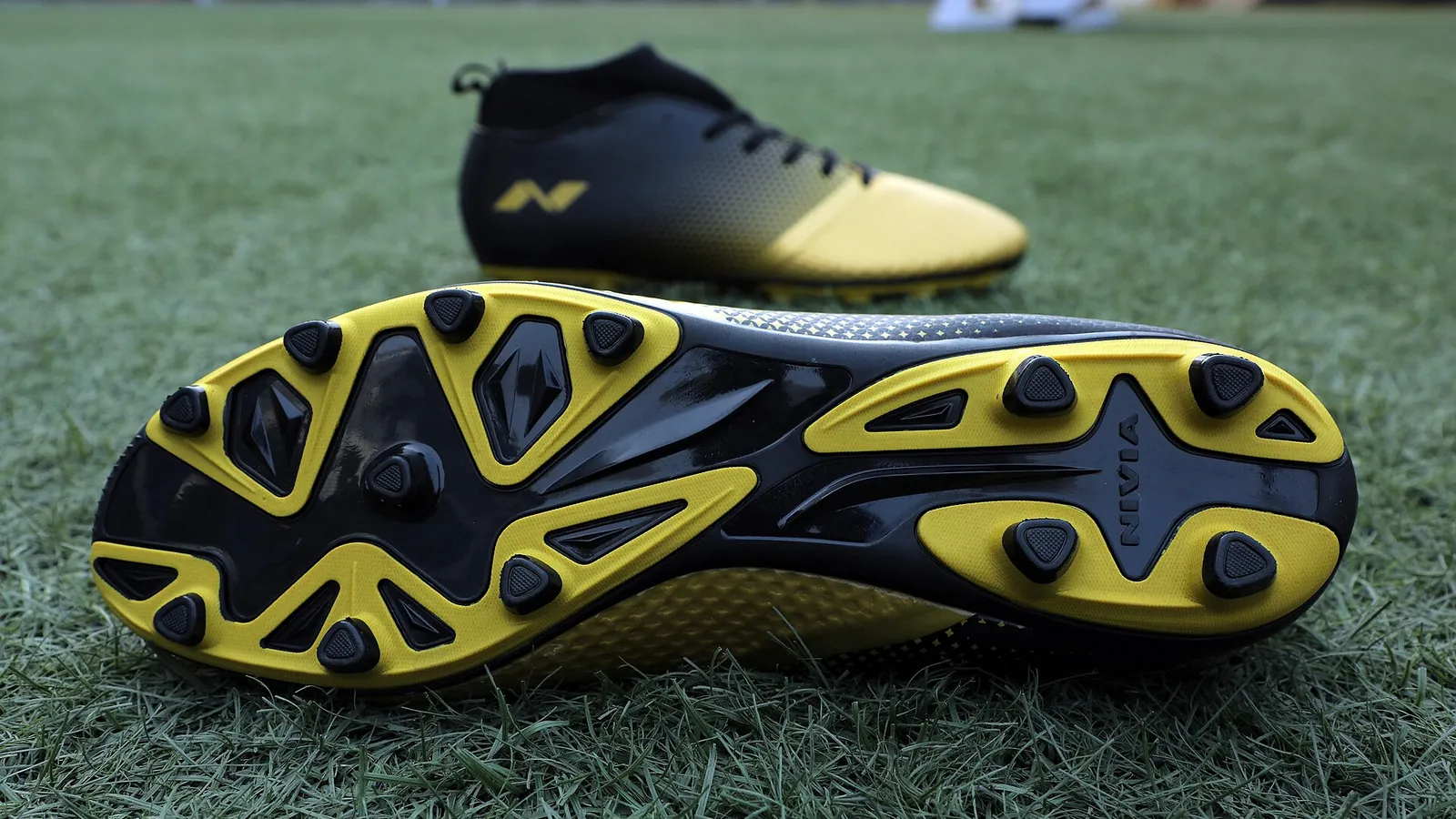
The most important choice is the sole. Boots are labelled with a code for the surface they are designed for. Using the wrong type can mean poor grip, sore feet or, on artificial pitches, damage to the surface.
| Code | Sole | Best for | Notes |
|---|---|---|---|
| FG | Firm ground: moulded studs | Natural grass in normal conditions; most 3G pitches | The most versatile choice for children |
| AG | Artificial ground: many short moulded studs | 3G artificial pitches | Good if most training is on 3G |
| SG | Soft ground: screw-in or metal studs | Wet, muddy grass | Often not allowed on 3G; rarely needed for young children |
| TF | Turf: rubber pimples | Older sand-based or short-pile artificial pitches | Not designed for 3G long-pile surfaces |
| IC / IN | Indoor: flat rubber sole | Sports halls, futsal | Not for grass or 3G |
Football boots for 3G pitches
Most winter training in the UK now happens on 3G pitches. Each facility sets its own footwear rules, so check the sign at the gate or ask the club. Many 3G operators ban bladed boots, which can cut the surface, and do not allow flat trainers, which give little grip. Moulded studs (FG or AG) are accepted on almost all 3G pitches. Some sites allow screw-in studs and some do not, so do not assume.
Fit
- Try boots on with football socks, at the end of the day when feet are slightly larger.
- Leave about a thumb's width at the toe. More than that and the foot slides; less and toes will hurt within weeks.
- Expensive boots are not needed for children. A well-fitting mid-range or budget pair is fine.
- Second-hand boots are a good option if the soles and studs are in good condition. Many clubs run a kit swap.
Shin pads are compulsory
The Laws of the Game list shin guards as compulsory equipment, covered by the socks. A referee should not let a player take part without them, in matches at any level. Training rules are set by the club, but most clubs require them in sessions too.
- Slip-in pads are light and popular with older players.
- Pads with ankle protection are more comfortable for younger children and stay in place better.
- Size: the pad should cover most of the shin, from just above the ankle to a few centimetres below the knee.
- Use a sleeve or tape if pads slip down during play.
What size football for each age group
Ball sizes in England changed with the 2026/27 formats. Many older guides still say size 4 for U10, which is no longer correct.
| Age group | Format (2026/27) | Ball size |
|---|---|---|
| U7 | 3v3 | 3 |
| U8–U11 | 5v5 and 7v7 | 3 |
| U12–U13 | 9v9 | 4 |
| U14 and over | 11v11 | 5 |
For practice at home, one ball of the right size is enough. A size 3 ball is lighter and easier for younger children to control. For more detail, see youth football formats by age. In the US, size standards differ: size 4 is used from U9 under US Soccer's guidance.
Goalkeeper gloves and kit
Young children who try goal now and then do not need their own gloves; the club often has a spare pair. Once a child plays in goal regularly, gloves help grip and protect the hands, especially on cold or wet days.
- Choose gloves by hand size. Most brands publish a size chart based on hand width or length.
- Simple latex palms grip well. Gloves with finger protection are optional.
- Rinse the palms in lukewarm water after use and let them dry naturally. They last longer.
- A padded long-sleeve top and padded shorts or trousers are useful for keepers playing on hard ground.
Goalkeeper gloves wear out fast on 3G pitches because the rubber crumb is abrasive. A cheaper pair for training and a better pair for matches is a common approach for regular keepers. Fingersave gloves, with stiff supports in the fingers, are a matter of preference; many coaches prefer young keepers to learn handling technique with ordinary gloves first.
Youth football kit list: what is really needed
The club usually provides or sells the match shirt. Beyond that, a sensible kit list for a youth player is short:
- Boots suited to the surface, plus trainers for travelling.
- Shin pads.
- Football socks and shorts in club colours (check what the club provides).
- A named water bottle.
- A warm layer or training top, a waterproof jacket and, in winter, a hat and gloves for after the match.
- A small bag to keep it all together.
- In summer, sunscreen and a cap for between games. See heat and hydration at football tournaments.
Things that are not essential for children: compression wear, expensive boots, and specialist training gadgets. Jewellery is not allowed under the Laws and must be removed. From 2026/27 the Laws allow other accessories only if they are not dangerous and are safely and securely covered; the referee decides on the day.
For winter training, a thin base layer under the training top, gloves and a hat are allowed in training at most clubs and make sessions more comfortable. In matches, base layers and snoods are covered by league and Laws rules on equipment, so check with the coach before buying anything specific.
Frequently asked questions
Can you wear football boots on 3G?
Yes, moulded stud boots (FG or AG) are accepted on almost all 3G pitches. Bladed boots are often banned and screw-in studs are allowed on some sites but not others, so check the facility's rules.
What size football does an 8 year old use?
In England from 2026/27, players from U7 to U11 use a size 3 ball. Size 4 starts at U12 with 9v9, and size 5 at U14 with 11v11.
Are shin pads compulsory in youth football?
Yes. The Laws of the Game list shin guards as compulsory equipment in matches, covered by the socks. Most clubs also require them in training.
Do kids need goalkeeper gloves?
Not for occasional spells in goal. For a child who plays in goal regularly, a simple pair in the right size helps grip and protects the hands.
Sources
Verified in October 2026. Rules and age groups vary by association and by season; check your local regulations.